When you think of Indonesia’s food culture, you think of rice. There’s no denying that it is a staple of the food culture, yet a growing conversation is slowly changing how Indonesians see what belongs on their plates.
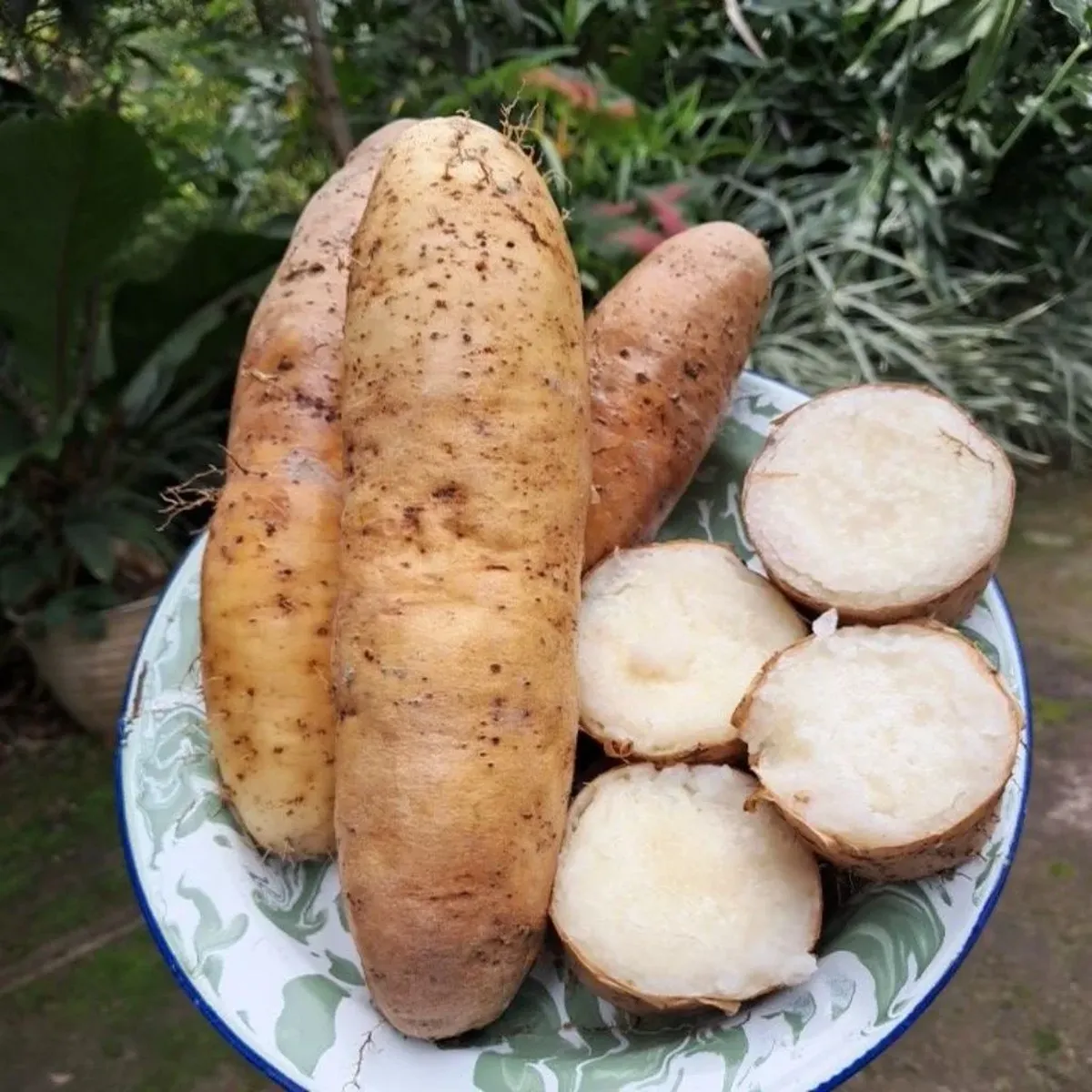
Sorghum, cassava, sago, taro, gembili, and other local crops are in the spotlight now as Indonesia looks for a more diverse and resilient food system. Like unsung heroes, these crops have quietly fed Indonesia for generations, even if most of the world barely knows their names.
Communities across Indonesia have always cultivated and integrated a wide range of local crops into their diet, before food diversification even became a policy conversation. Sago has traditionally been an important food source in Eastern Indonesia. Cassava and various tubers are cultivated across different regions, while crops such as sorghum have long been associated with the drier agricultural areas.
Therefore, there is no need to reinvent the wheel. In many ways, the country is rediscovering a food system that doesn’t center around rice.
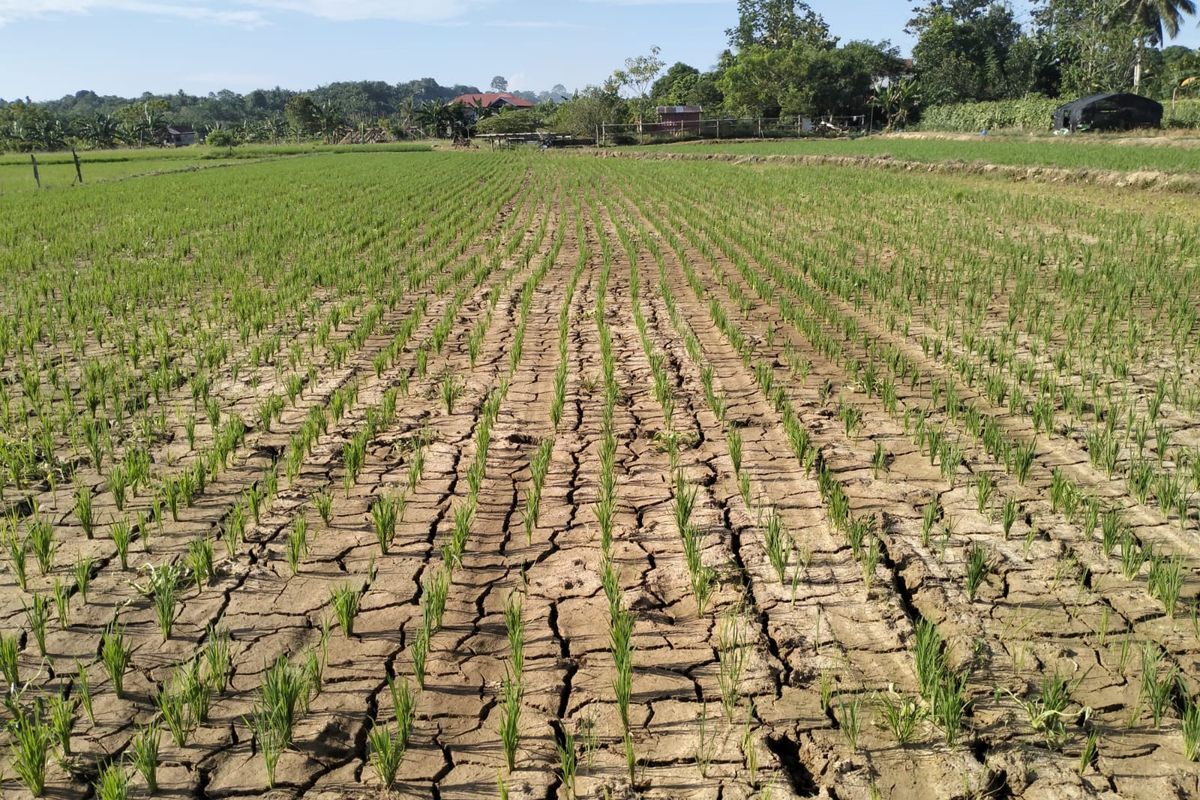
Sorghum has become one of the most interesting crops in the diversification conversation. One reason is its ability to perform under relatively dry conditions. Research has highlighted its potential for dryland agriculture, while current agricultural programmes in Indonesia are continuing to develop sorghum cultivation and seed production.
It doesn’t stop there. It can also be processed into flour and other food products, giving it potential beyond the traditional grain market. Research has explored its use in products such as noodles, bread, and cakes, while government programmes are also looking at its potential for food, feed, and energy.
That flexibility makes sorghum particularly interesting as Indonesia looks for crops that can fit changing agricultural and food markets.
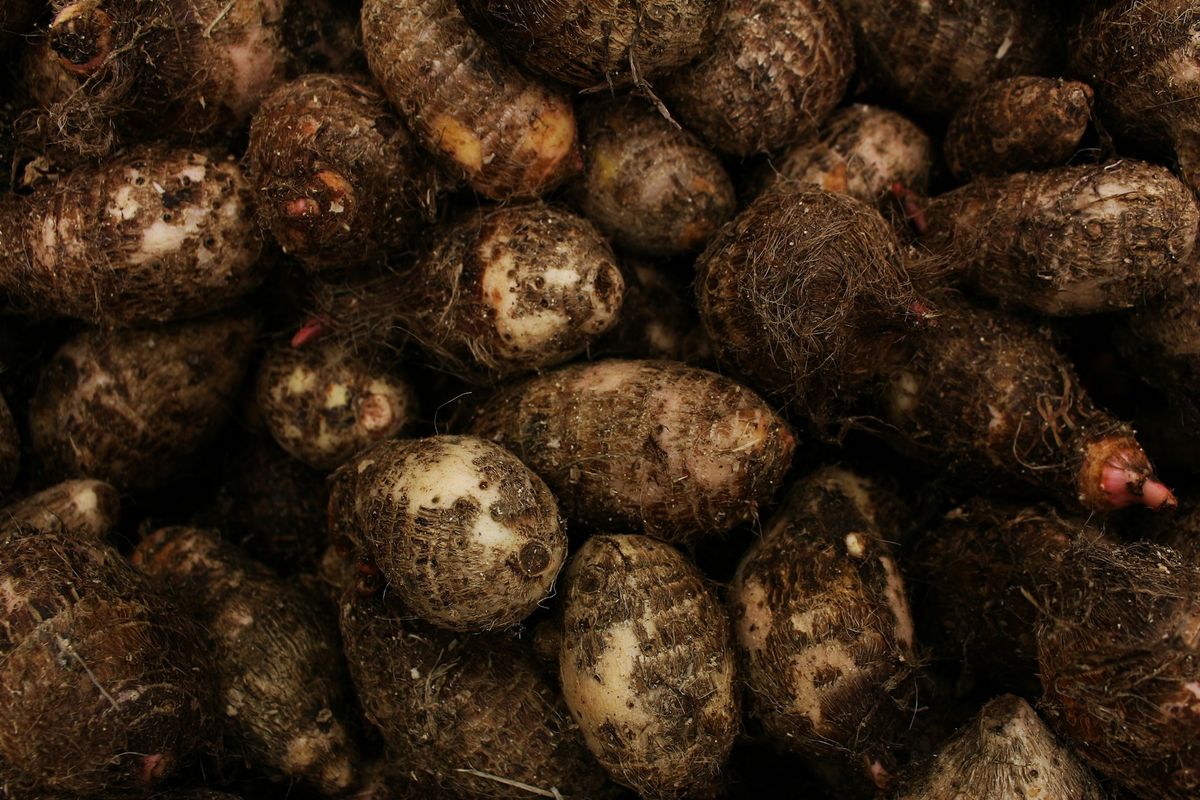
Sorghum may be getting the headlines, but the diversification story goes much further. Cassava, sago, taro, and other tubers are also part of Indonesia’s local food potential. Government and research institutions have identified several non-rice carbohydrate sources as important components of food diversification, including cassava, corn, sago, bananas, potatoes, and sorghum. Then there are crops such as kimpul and gembili, which may be less familiar to younger consumers but have long been part of local food traditions.
Their challenge is not necessarily whether they can be grown, but whether they can be brought into modern food systems in ways that are convenient, attractive, and economically worthwhile.
This is where food innovation becomes important. A local crop does not have to remain in the same form in which it has traditionally been consumed. Sorghum can be processed into flour. Cassava can become flour, snacks, and other processed foods. Tubers can be turned into products that fit modern lifestyles. The opportunity is to move local crops from being seen as occasional or regional foods into products that people can easily incorporate into everyday diets. That requires more than farmers. Processors, food businesses, retailers, researchers, and consumers all have a role to play.
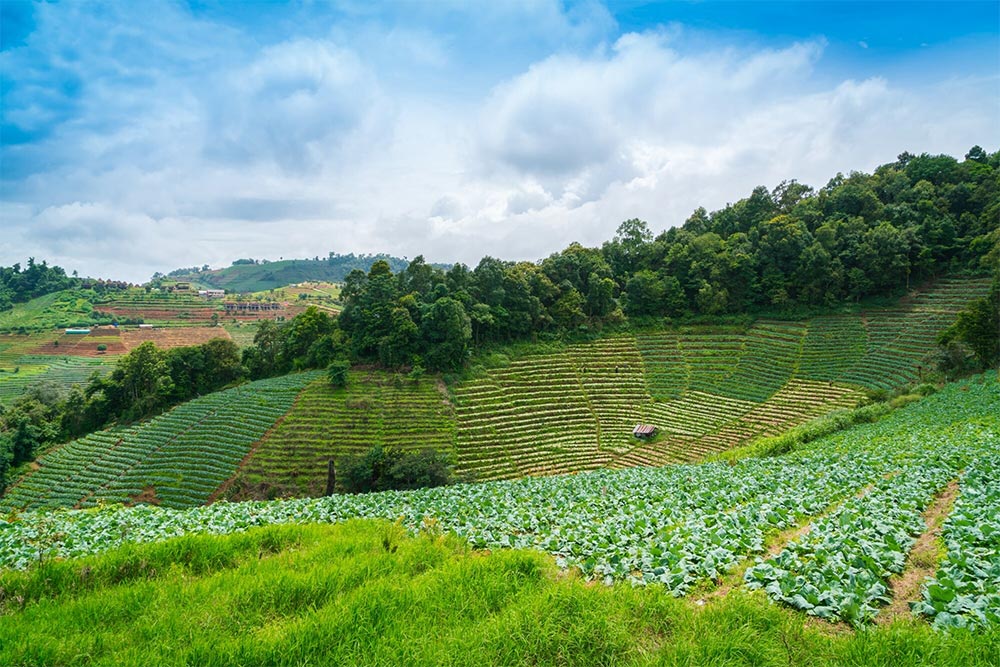
For farmers, diversification can create another kind of opportunity. A wider range of crops can potentially mean access to different markets and additional sources of income. It can also allow farmers to choose crops that are better suited to particular soil, water, or climate conditions.
But growing a new crop is never simply a matter of planting the seed. Farmers still need to consider market demand, production costs, soil conditions, water availability, crop nutrition, and post harvest handling. A crop only becomes a real agricultural opportunity when there is a viable system around it.
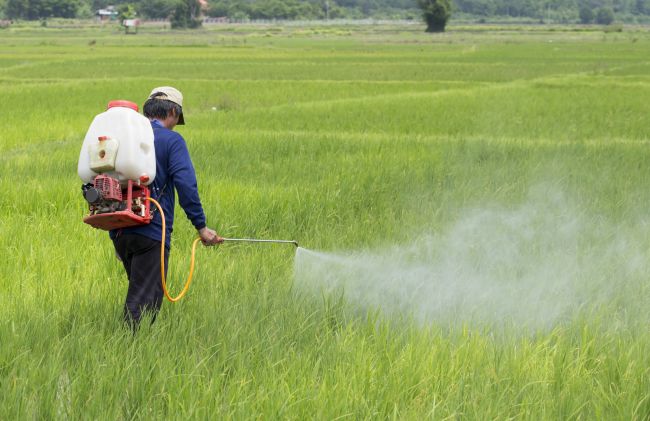
Whether a farmer is growing rice, sorghum, cassava, or a local tuber, the fundamentals remain surprisingly similar. Plants need suitable soil, water, nutrients, sunlight, and protection from pests and disease.
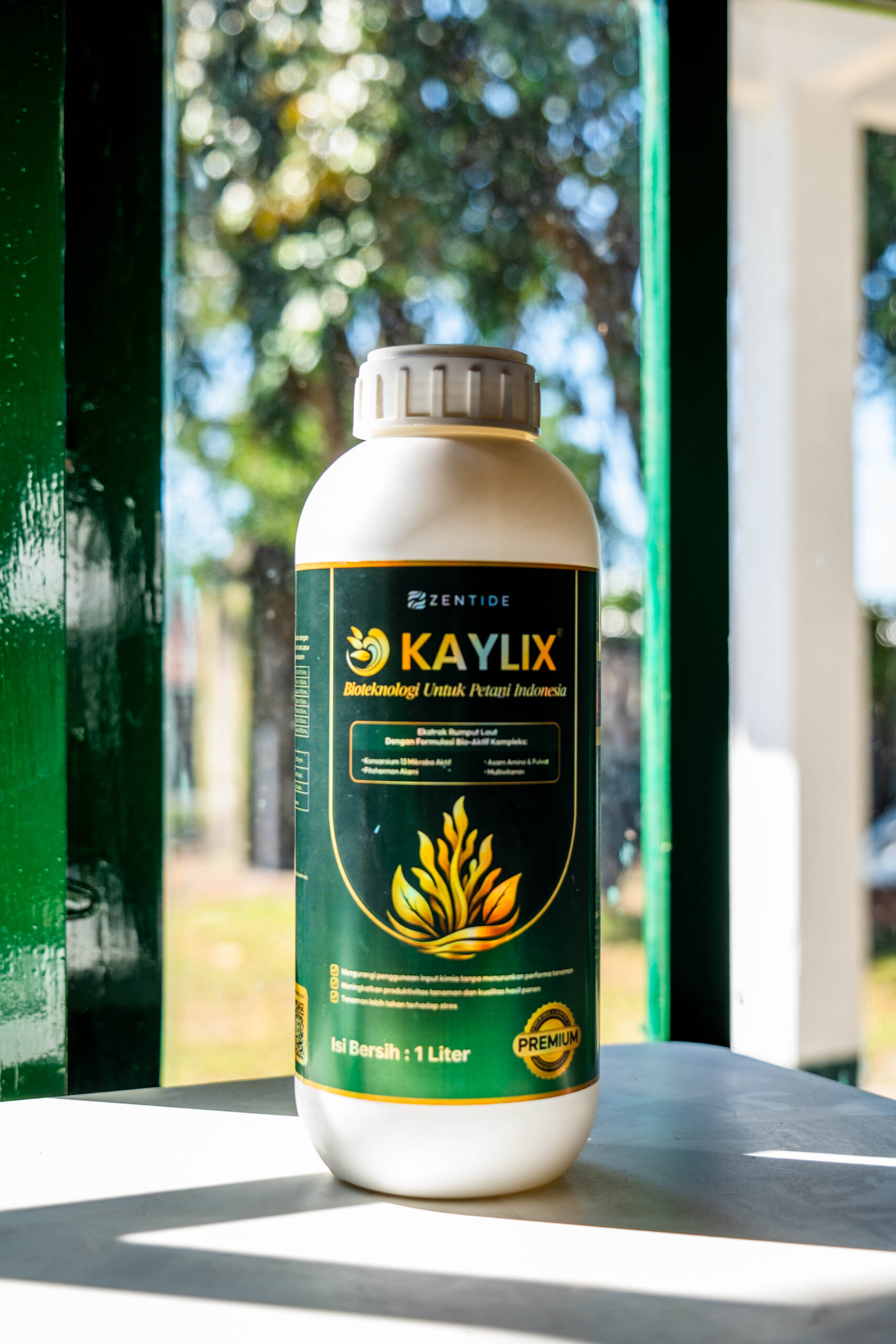
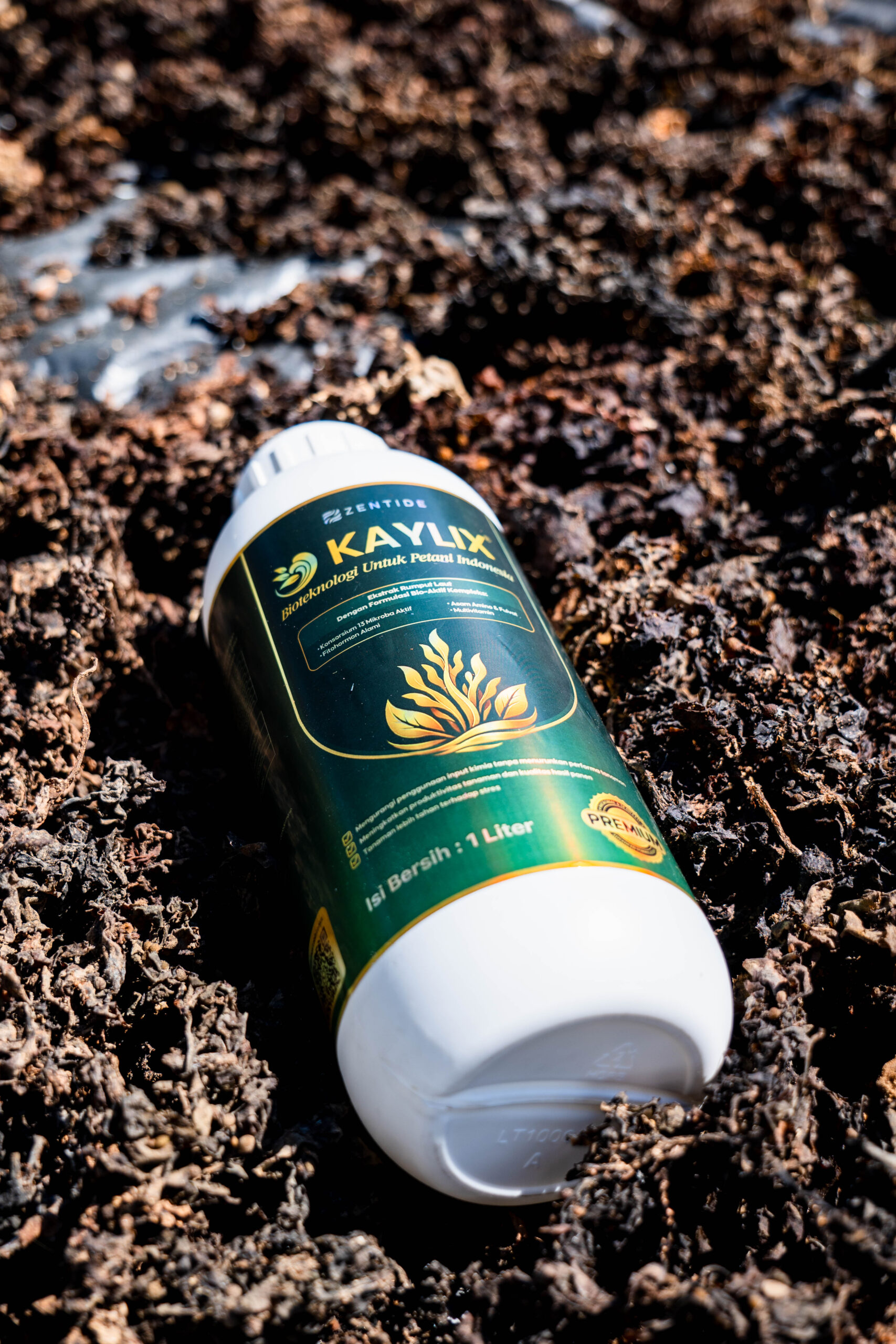
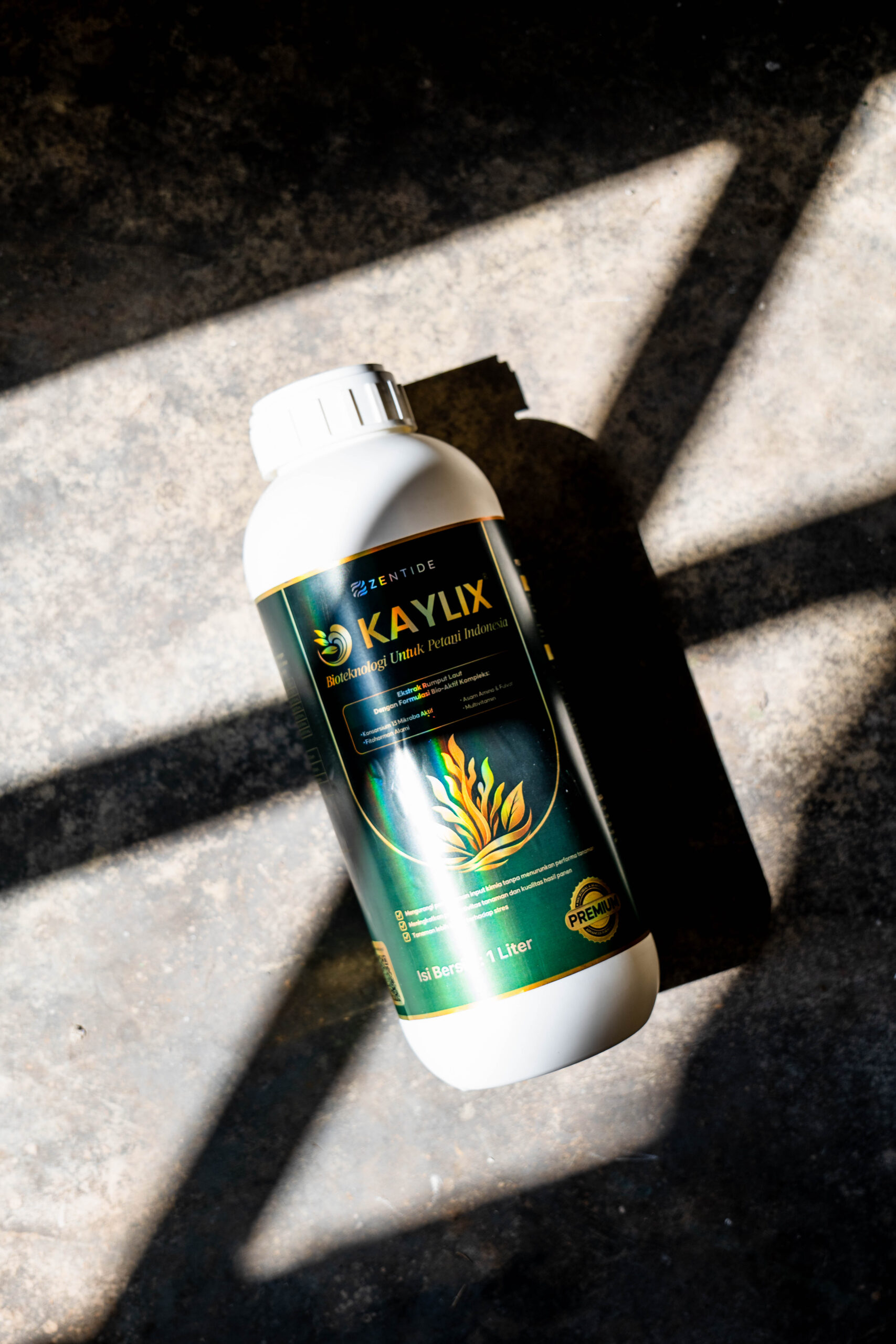
As farmers experiment with different crops, understanding nutrient management becomes increasingly important. The goal is not simply to use more inputs, but to give crops what they need at the right time and in the right way. Kaylix can support a more considered approach to crop nutrition, helping farmers focus on input efficiency alongside productivity.
A More Diverse Food Future
Indonesia's interest in local food is part of a much bigger conversation about resilience. A food system with more crop options can have greater flexibility when facing climate pressures, changing markets, or disruptions to global supply chains. Research from BRIN has also highlighted food diversification as an opportunity to strengthen local resilience while creating greater economic value for local producers.
The opportunity is already there.
Sorghum. Cassava. Sago. Taro. Kimpul. Gembili. And many other crops that have been part of Indonesian agriculture for generations. The next step is making them relevant to a new generation of consumers and profitable for the farmers who grow them.
Indonesia's future food system may be about making room for more of what the country has always been capable of growing. And as those crops find their way back into the spotlight, Kaylix can be there in the field, helping farmers make every crop count.