If you've been looking for seaweed extract or algae for agriculture, you likely know Sargassum more than any other genus. This brown alga has become a heavily studied ingredient in plant biostimulants.
Sargassum is often considered a problem along many coastlines, especially in the Caribbean. It accumulates in massive quantities there and disrupts coastal ecosystems and tourism. On the other hand, this so-called waste algae carries a rich profile of active compounds. These compounds support plant growth (NCBI, 2026).
Among the many seaweed types, brown algae are frequently used as biostimulant ingredients. These include Ascophyllum nodosum, Ecklonia maxima, Fucus spp., and Sargassum spp. They offer metabolites like carbohydrates, proteins, amino acids, natural plant hormones, carotenoids, vitamins, and phenolics (NCBI, 2026).
Ascophyllum nodosum is one of the best-known brown algae species. It has been shown to induce plants to produce their own growth hormones. This fosters better growth, improved stress resilience, and more efficient nutrient absorption and distribution (NCBI, 2026).
Research specifically on Sargassum is fairly extensive, and the results are consistent across several key areas:
Tolerance to environmental stress. Trials on tomato plants under salt stress tested a hydroalcoholic Sargassum extract. It increased both enzymatic and non-enzymatic antioxidant levels. These changes helped tomato plants cope better with conditions that would otherwise harm them (NCBI, 2026).
Heat tolerance. Another study found that Sargassum extract improved tomato plants' tolerance to high temperatures, with improvements across morphology, physiology, and gene expression, including a 6.66% increase in dry biomass under heat stress conditions (MDPI, 2025).
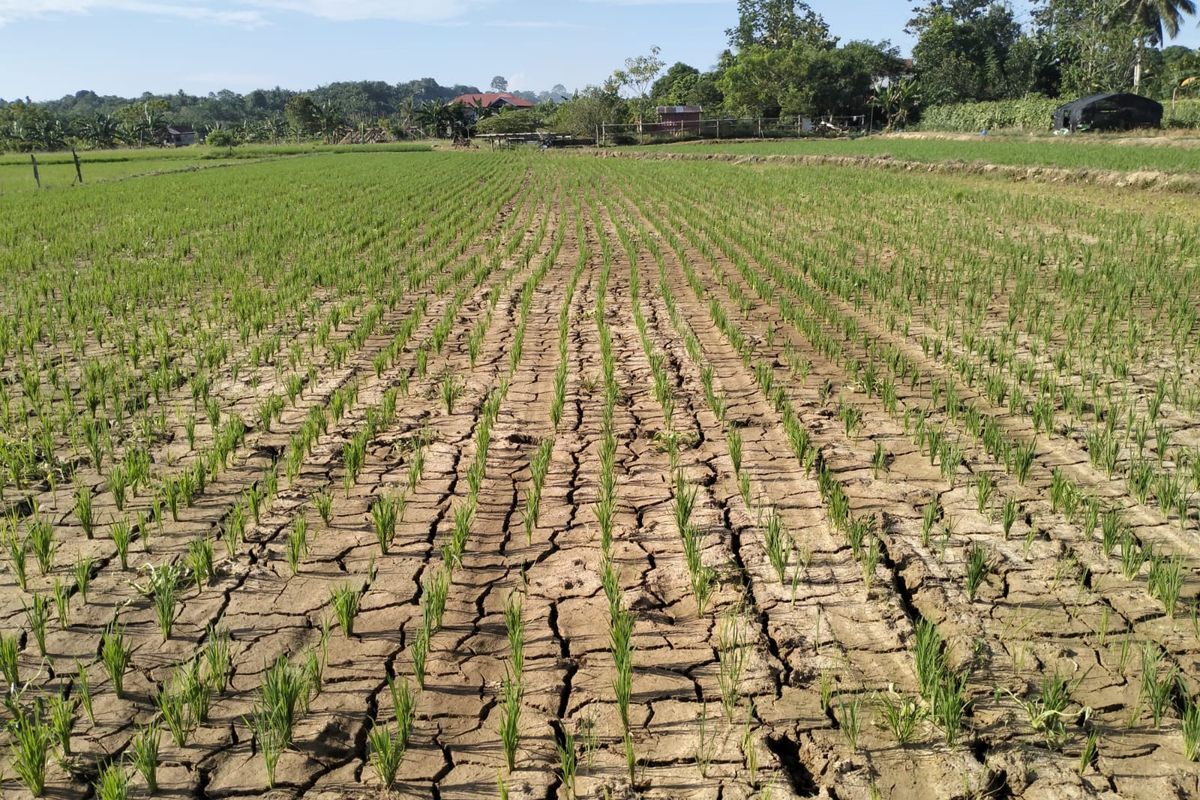
Drought tolerance. In canola plants, brown algae extract from Sargassum angustifolium was shown to help plants withstand the negative effects of drought stress by increasing shoot height, dry weight, photosynthetic pigment content, and antioxidant activity (PubMed).
Growth and germination. In fava bean and sunflower plants, Sargassum polycystum extract increased fresh weight by 18 to 31%, leaf count by 19 to 33%, and leaf area by up to 19% compared to untreated control plants (PMC, 2023).
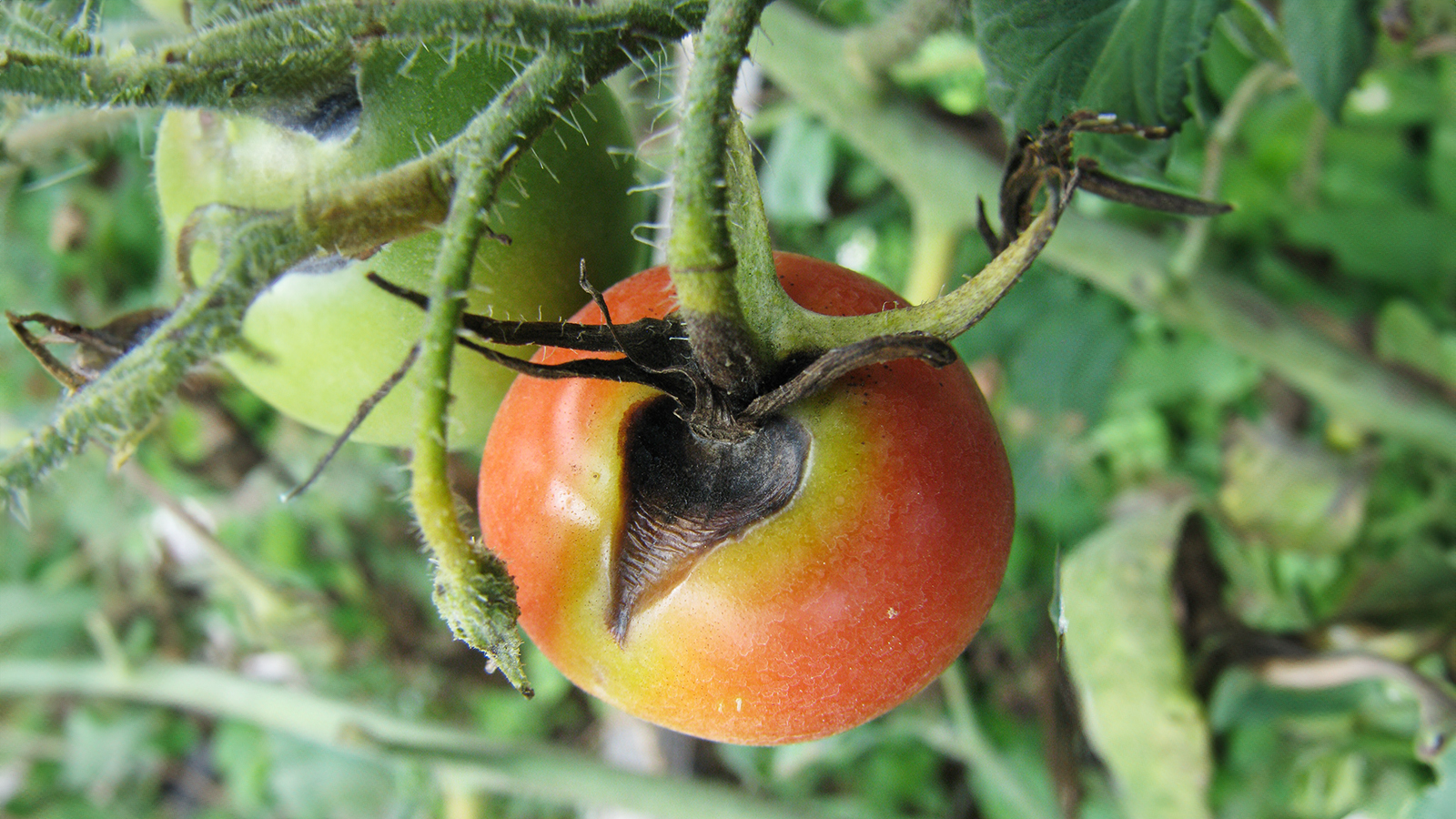
Disease protection. Sargassum extract application has also been shown to reduce infection rates in tomato plants by naturally regulating antioxidant and hormonal activity (Springer, 2026).
A lot of people assume every seaweed-based product is more or less the same. In reality, the effectiveness of a seaweed extract depends heavily on the algae species, the extraction method, and the dosage used, research even shows that excessively high doses can actually have a negative effect on plant growth (PMC, 2026).
That's exactly where the real difference lies. It's not just about "containing seaweed", it's about which algae is chosen, how it's extracted, and how the formulation is built to actually deliver a consistent biostimulant effect.
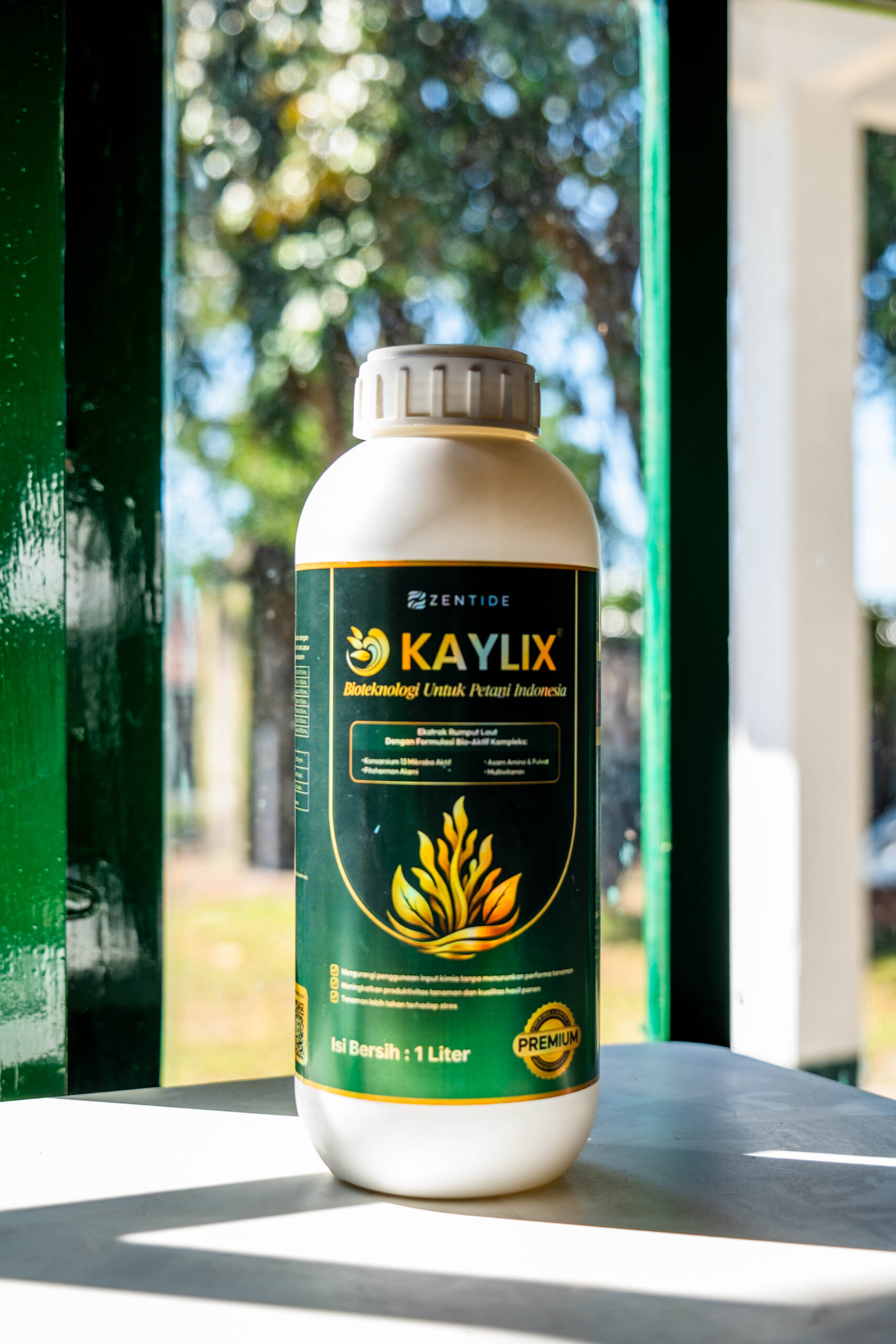
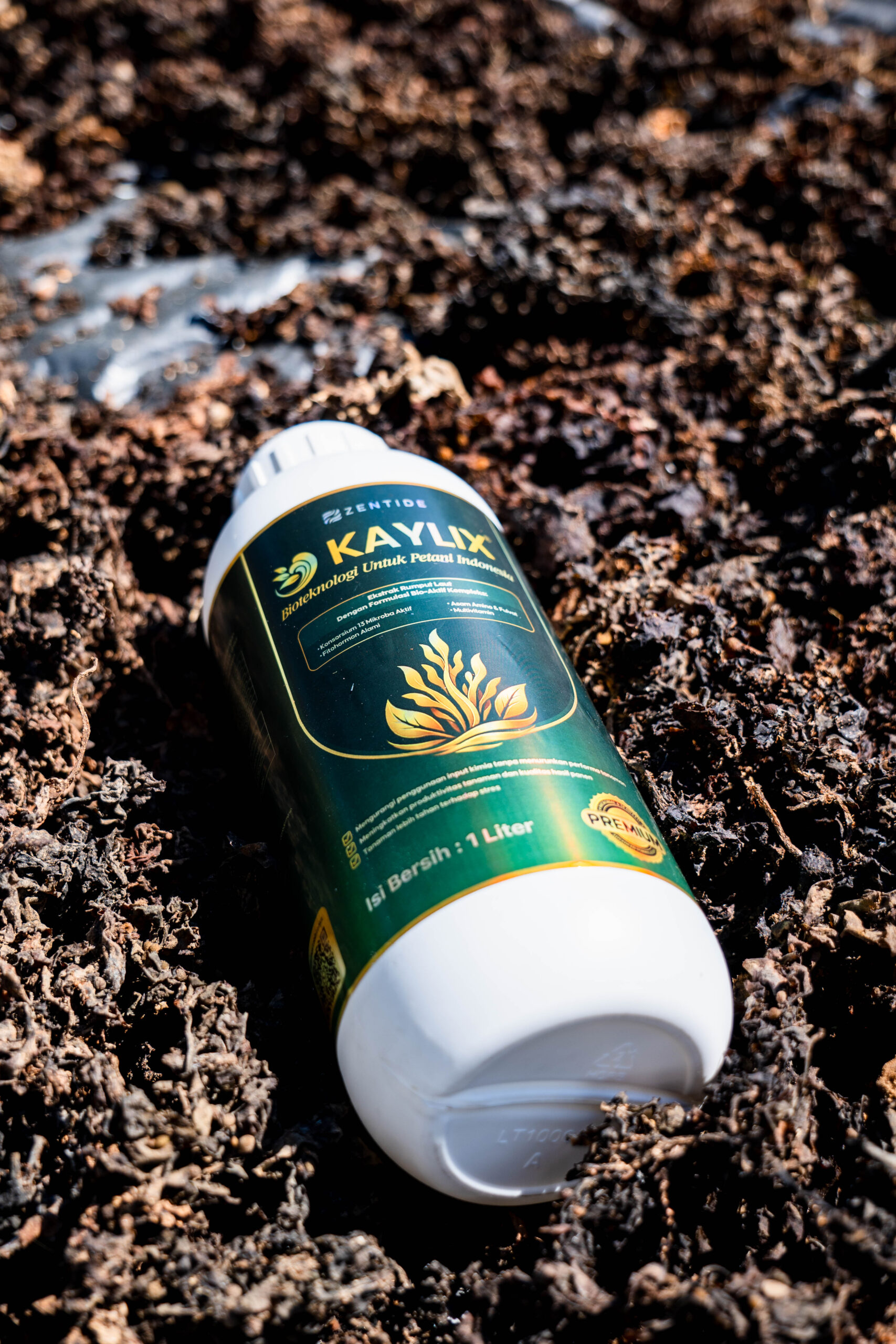
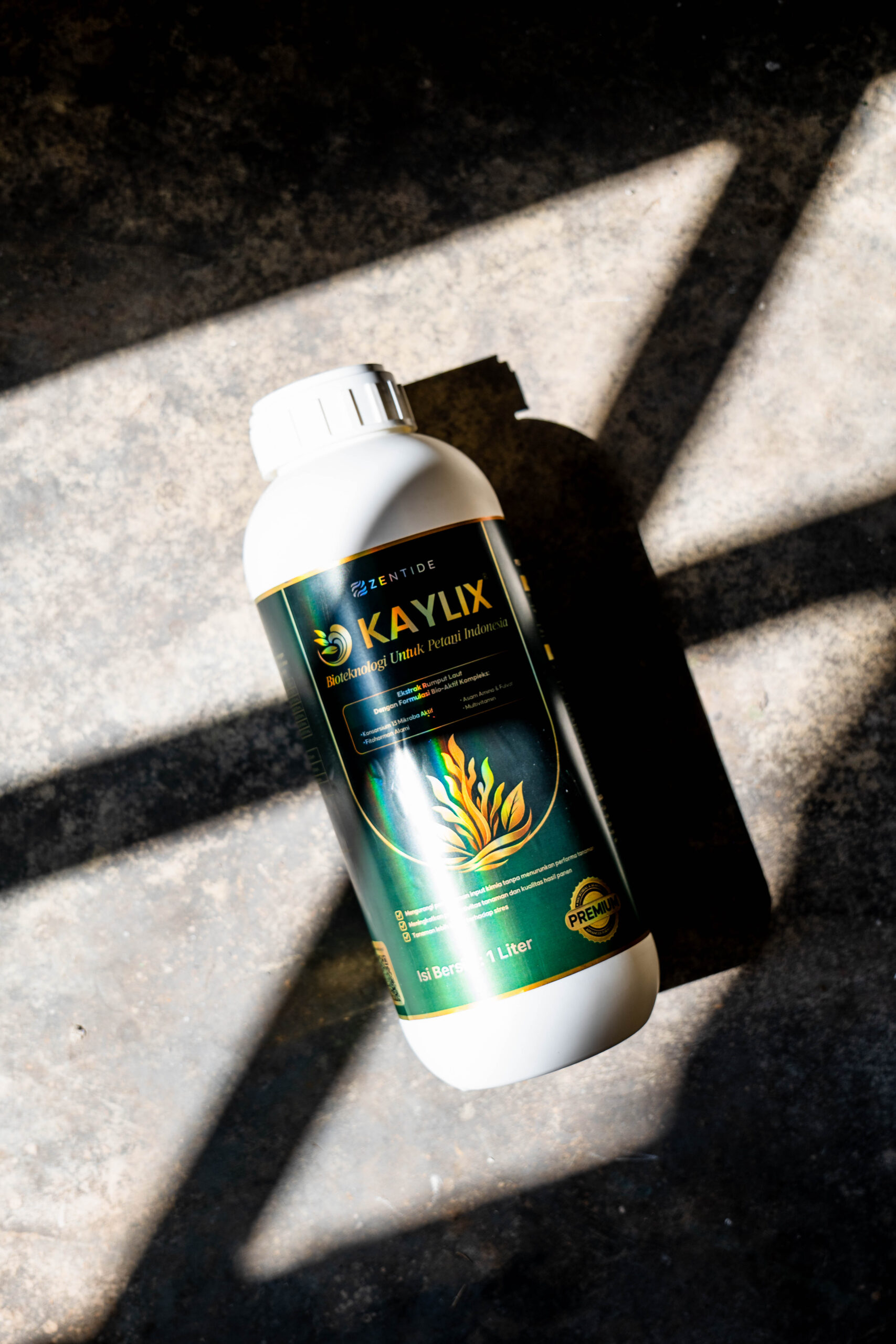
This is what sets Kaylix apart from a generic "seaweed product." Kaylix, by Zentide, uses tropical seaweed extract sourced directly from Indonesian waters, not imported seaweed or recycled algae waste from elsewhere.
Following the same principles reflected in the Sargassum research above, the seaweed content in Kaylix is combined with 14 active microbes, organic acids, and natural phytohormones, creating a complete formulation that works on root development, nutrient uptake, and a plant's resilience to environmental stress all at once (Zentide product formulation).
So if you're searching for "seaweed extract" that isn't just a claim on a label, but one genuinely built on the same scientific principles behind global brown algae research, Kaylix is the answer, tested across more than 150 field trials on 40-plus crops across Indonesia (Zentide internal field trial data, 2025–2026).