For farmers, rain is more than a change in the weather. Rain determines the timing of field planting. It also affects how a crop develops and how much it produces. Ultimately, rain influences a farmer's income.
When rainfall becomes irregular or the dry season lasts longer than expected, the effects can quickly move from the field to the wider food system.
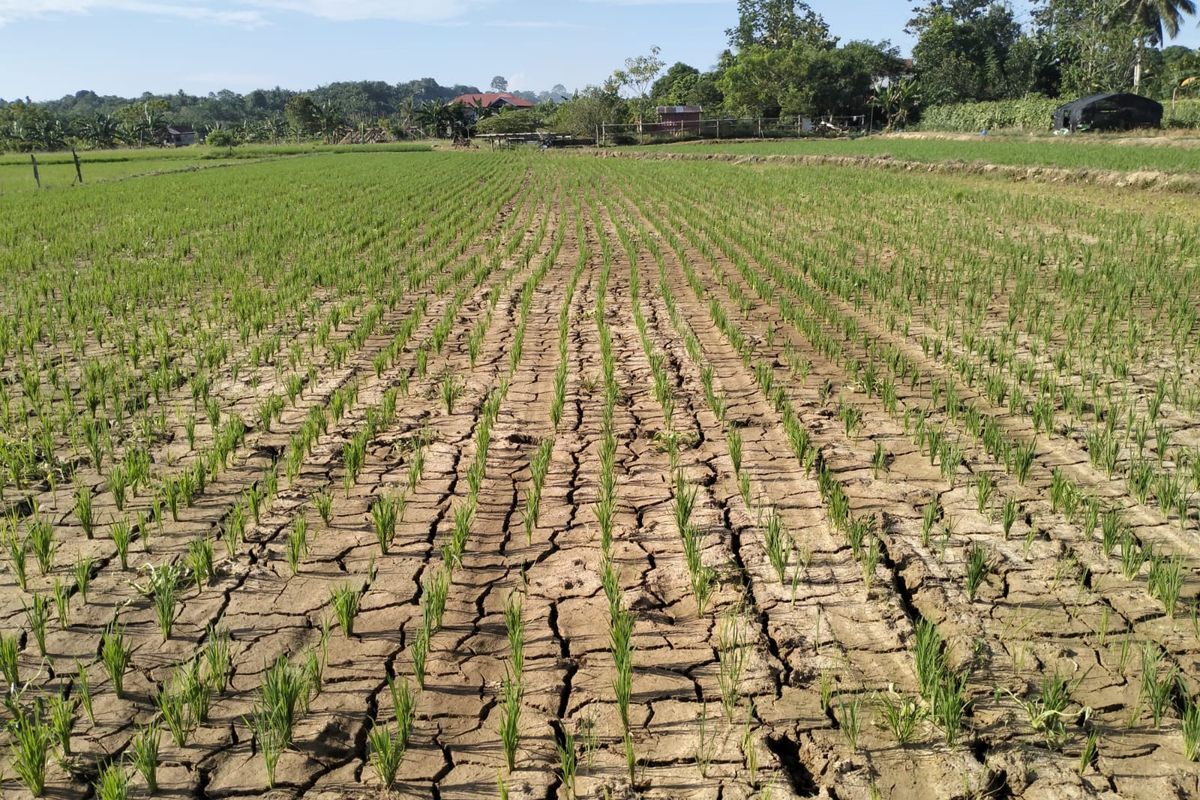
Drought is not simply a lack of rain. It is a period when water availability becomes insufficient for the needs of people, agriculture, ecosystems, or a combination of all three. For farming communities, its impact can be particularly difficult because crops cannot simply wait for better conditions.
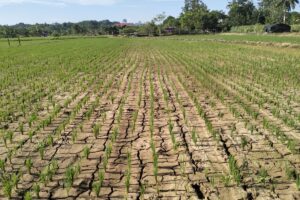
Plants need water for several essential processes, including photosynthesis, nutrient transport, and maintaining cell structure. When soil moisture falls, plants begin to conserve water. One of the first responses is often the closing of stomata, small openings on leaves that regulate gas exchange and water loss. This helps the plant conserve moisture, but it also limits the exchange of carbon dioxide needed for photosynthesis.
As drought stress continues, growth can slow down. Leaves may wilt, root development can be affected, and flowering or fruit development may suffer depending on the crop and the timing of the stress. The earlier and more severe the drought, the greater the potential impact.
Different crops have different levels of tolerance to water stress.
Some crops can develop deeper or more extensive root systems that help them access water lower in the soil. Others are more sensitive and may experience significant stress after relatively short periods of limited moisture.
Even within the same crop, the impact can vary depending on its growth stage.
A plant experiencing water stress during early establishment may struggle to develop properly. Stress during flowering or fruit development can have a different, and sometimes more serious, effect on final yield.
This is why drought management cannot rely on a single solution.
The relationship between drought and agriculture goes beyond the plant itself. When soil remains dry for extended periods, biological activity can change and the movement of nutrients through the soil may be affected.
Soil structure also plays an important role in determining how well land responds when rain finally returns. A healthy soil with good structure and sufficient organic matter can generally hold and supply water more effectively than severely degraded soil.
This is one reason soil health is becoming an increasingly important part of climate resilience.
After a long dry period, heavy rainfall may arrive suddenly. At first, this sounds like good news. But if the soil surface has become hard, compacted, or poorly covered, rainfall may run off rather than infiltrate efficiently.
This can increase erosion and reduce the amount of water that actually reaches the root zone. In other words, drought and heavy rainfall can become connected problems.
A field may go from having too little water to receiving too much rain in a relatively short period, making good soil and water management more important than ever.
There is no universal way to eliminate drought risk, but several practices can help farmers manage it. Maintaining soil organic matter is one important approach. Organic matter can contribute to soil structure and water holding capacity.
Mulching and maintaining suitable plant residues can also help reduce evaporation from the soil surface. Farmers can also consider crop varieties that are better suited to local climate conditions and adjust planting schedules when weather patterns suggest a higher risk of prolonged dry conditions.
Water should be managed carefully as well. Efficient irrigation, where available, can help direct limited water towards the crop's root zone rather than losing it through unnecessary evaporation or runoff.
Drought can also influence how plants respond to nutrients. A crop under severe water stress may not be able to use nutrients as effectively as it would under favorable conditions. This means fertilizer decisions should be considered alongside soil moisture and crop condition.
Applying more fertilizer is not necessarily the answer when the main limitation is water.
A balanced approach considers what the crop needs, what the soil can provide, and whether the plant is currently in a condition to make effective use of the nutrients available to it.
This is where efficient crop nutrition can become part of a wider drought management strategy. Inputs such as Kaylix can play a role when used appropriately within an overall approach to crop and soil management.
Farmers have always dealt with changing weather. What is changing is the level of uncertainty surrounding when rain will arrive, how long dry periods will last, and how extreme weather events may become. This makes resilience increasingly important.
A resilient farm is not one that is completely unaffected by drought. It is one that has practices and resources that help reduce the damage when conditions become difficult and support recovery when conditions improve.
That starts with understanding the field.
Drought management should ideally begin before the soil becomes dry.
Understanding soil conditions, choosing suitable crops, managing organic matter, planning water use, and keeping track of weather patterns can all help farmers make better decisions before water becomes limited.
This is also where Kaylix fits into the picture. Because it supports root development and helps re-establish the microbial activity that gives soil its structure, Kaylix contributes to exactly the kind of soil, one with better organic matter, better water-holding capacity, and stronger roots reaching deeper for moisture, that tends to handle drought stress more gracefully.
It won't rain in the dry season, but for a farmer working to build resilience before the next one hits, giving the soil a stronger foundation is one of the more practical places to start.