There is a particular kind of gardening problem that most people would be quite happy to have: your plants simply refuse to stop growing.
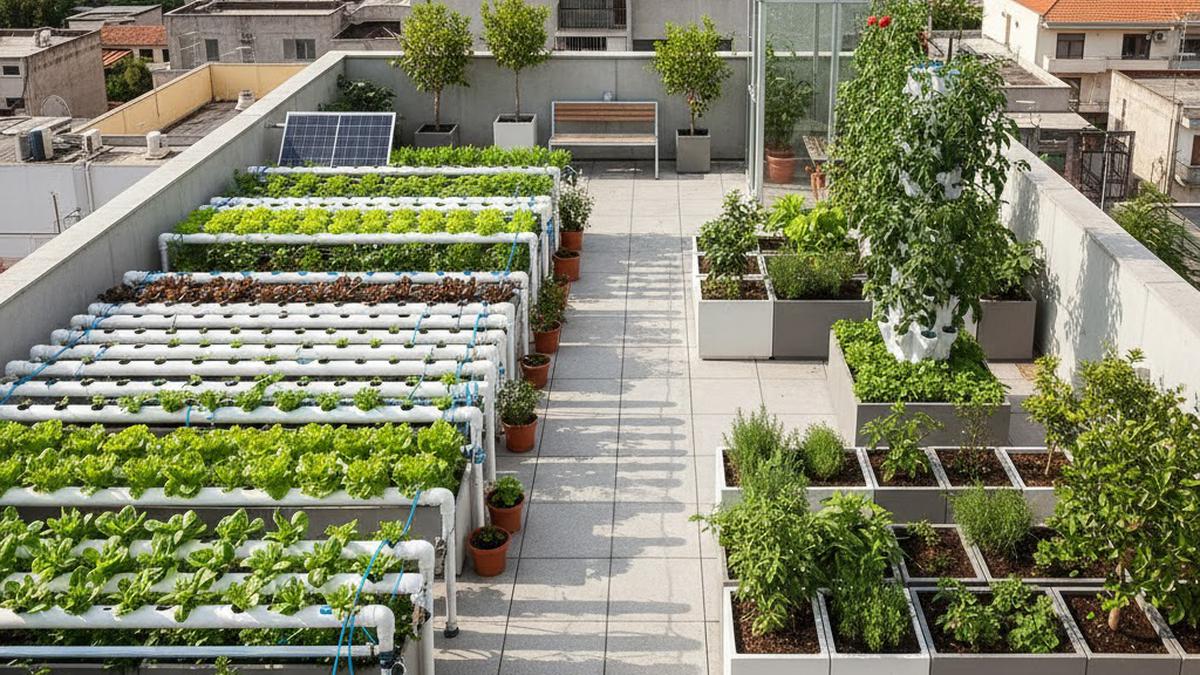
For urban farmer and content creator @dotzbink, this seems to be a recurring situation.
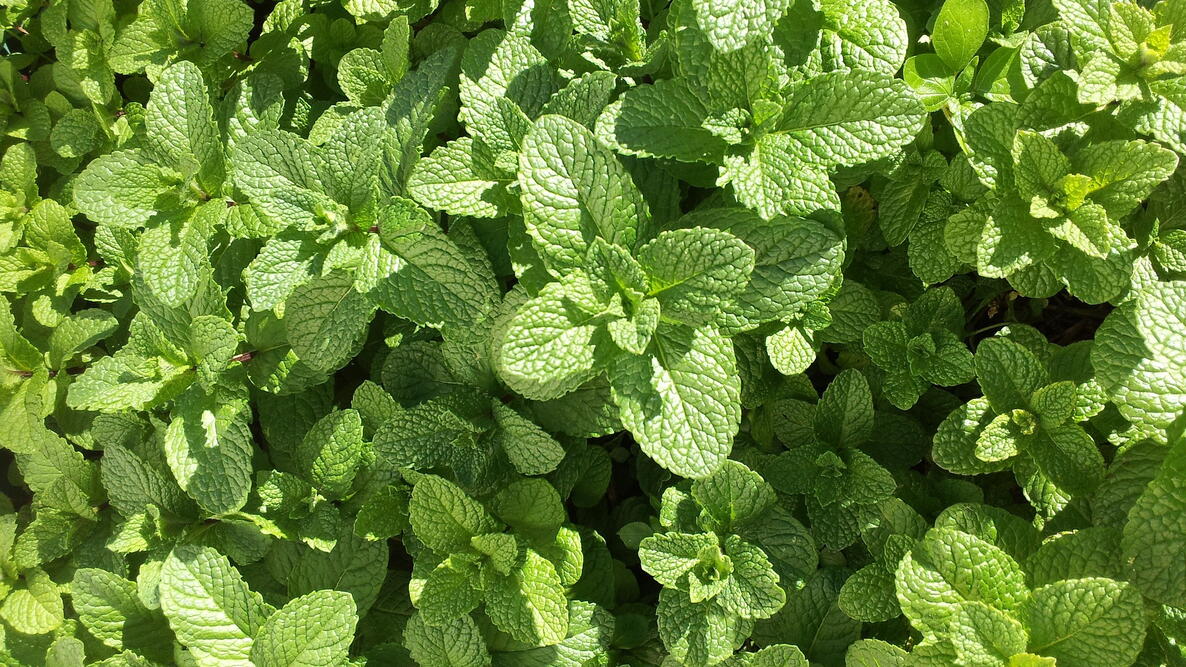
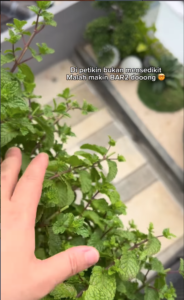
Her small garden has become something of an internet curiosity, with viewers jokingly giving her crops names such as Mint Hell, Eggplant Hell, and many more. The joke is simple. She plants something, takes care of it, harvests it, and somehow ends up with even more. Mint may be the best example. It gets cut back, only to return with another wave of fresh growth. Harvesting does not seem to end the story. If anything, it appears to encourage the next chapter.
It is funny, but there is also a little science behind it.
Plants are remarkably responsive to their environment.
When they have adequate sunlight, water, nutrients and a suitable root environment, they can devote more of their energy to growth. For many plants, regular harvesting or pruning can also encourage the development of new shoots. and mint is particularly good at this.
It is a vigorous plant by nature. When growing tips are harvested, the plant can respond by producing new branches and leaves. Regular harvesting can therefore become part of the growth cycle rather than simply the end of it. Which explains why mint can feel less like a crop and more like a personal challenge: you cut it, It grows back. You cut it again, It grows back again. Eventually, you begin to wonder who is actually in charge of the garden.
Of course, vigorous growth does not happen by accident.
A plant needs access to the right combination of resources to perform well. Light provides energy. Water supports essential biological processes. Nutrients provide the building blocks for growth.
And then there is the soil, often overlooked because it sits beneath everything else, soil plays a central role in determining how well a plant can access water and nutrients. It also provides a habitat for microorganisms that contribute to nutrient cycling and the overall biological health of the growing environment.
For plants growing in containers, this becomes even more important.
A garden pot is a very small ecosystem. Unlike crops planted directly into the ground, container plants have limited space for their roots to explore. What happens inside that small volume of soil can have a direct effect on what happens above it. A thriving plant, therefore, is not simply a story about leaves but also a story about what is happening underneath them.
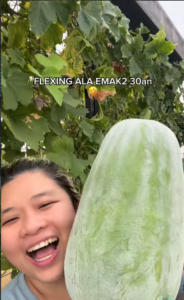
There is another factor behind gardens like @dotzbink's that is harder to measure but equally important: attention.
People who spend a lot of time with their plants tend to notice things early. For example, when a new shoot appears, when the soil dries faster than usual, when the leaves change color, and many more. These observations may seem insignificant individually, but together they allow a gardener to respond to what the plant actually needs.
In that sense, good gardening is less about following a rigid formula and more about learning to read the plants.
Perhaps this is why @dotzbink's content resonates with so many people. The garden may look chaotic, but the chaos comes from something quite positive: plants that are being actively cared for, harvested and given the conditions to keep growing.
It is tempting to measure plant health simply by looking at how green or large a plant becomes, but growth is only one part of the equation. A healthy growing system should support strong roots, efficient nutrient uptake and resilience against environmental stress. When these foundations are in place, plants are better positioned to turn available resources into productive growth.
This is where the idea of soil health becomes important. Rather than constantly asking how to make plants grow more, growers can also ask a more fundamental question:
Is the growing environment helping the plant perform at its best?
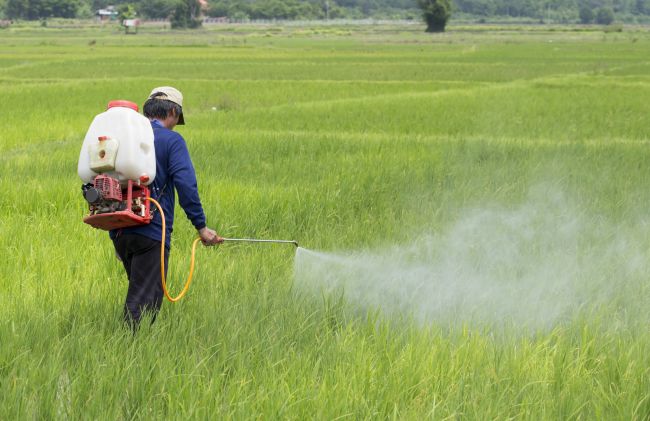
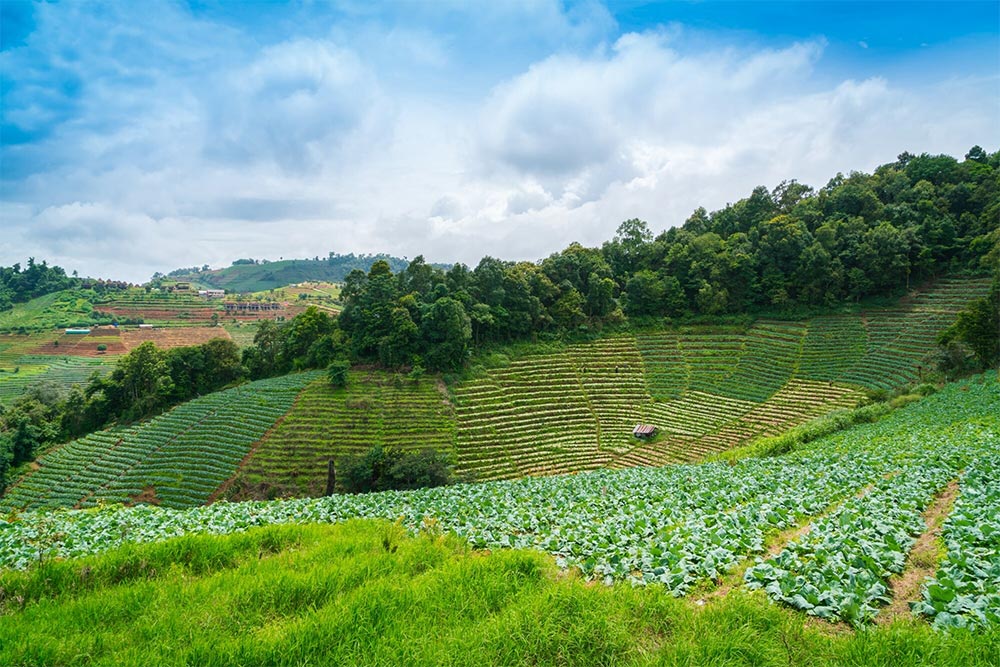
That shift in perspective is relevant far beyond an urban garden. The same principles apply to farmers managing crops on a much larger scale. Whether the crop is growing in a balcony pot or across hectares of farmland, the relationship between roots, soil, nutrients, water and microorganisms remains fundamental.
Perhaps the real lesson from @dotzbink and her leafy companions is a simple one:
When plants have the right environment, they tend to show you what they are capable of. Although sometimes, quite enthusiastically.