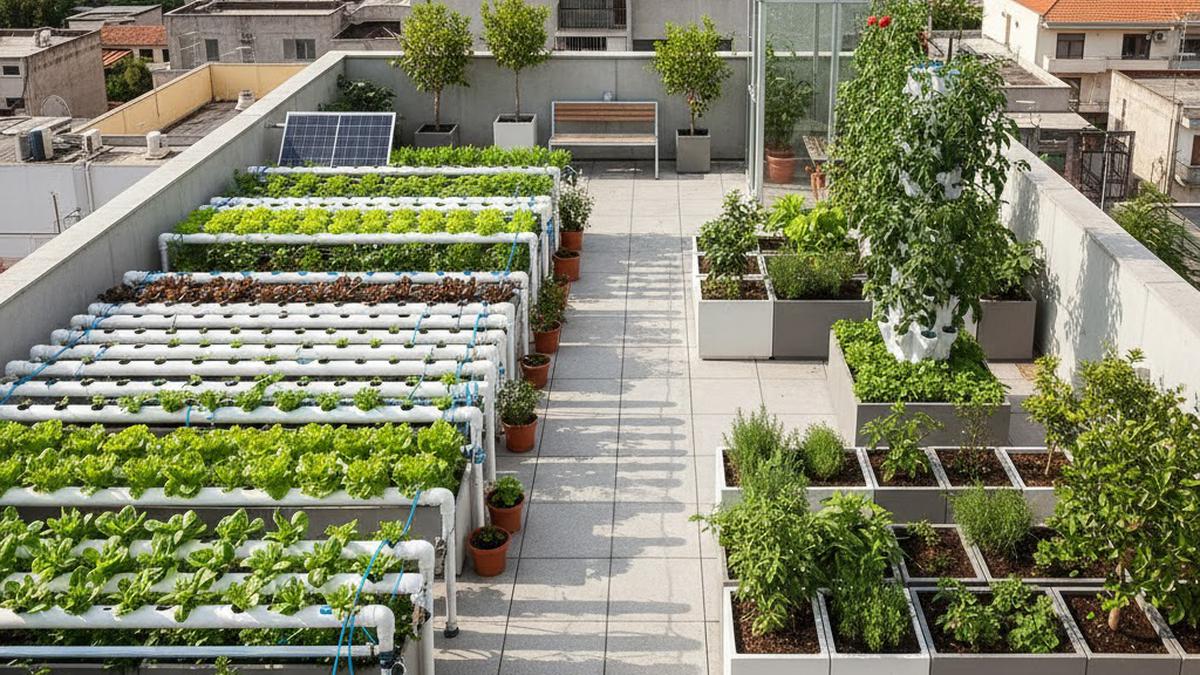
Urban farming is changing the way people think about food production. From balconies and rooftops to community gardens and small greenhouses, cities are finding ways to grow fresh produce despite limited land. It may not replace traditional agriculture, but it can bring food production closer to where people live.
Urban farming means growing food within cities and densely populated areas. The scale can be as simple as growing herbs in containers or as advanced as using hydroponic and vertical farming systems. The idea is the same: making productive use of available urban spaces.
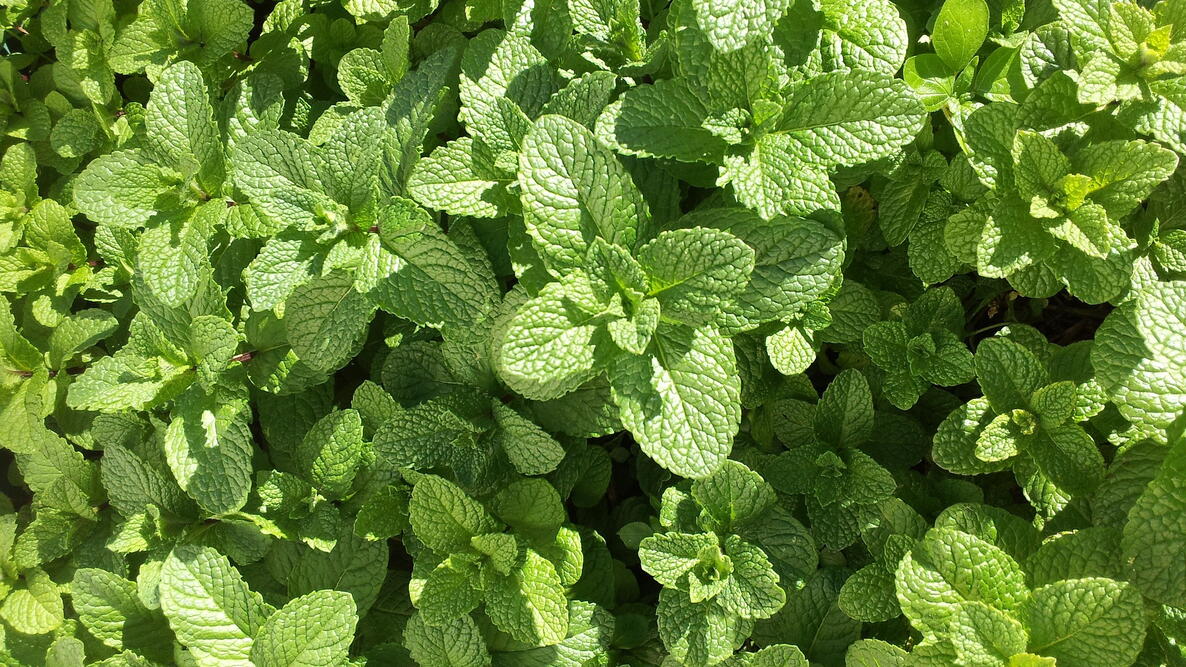
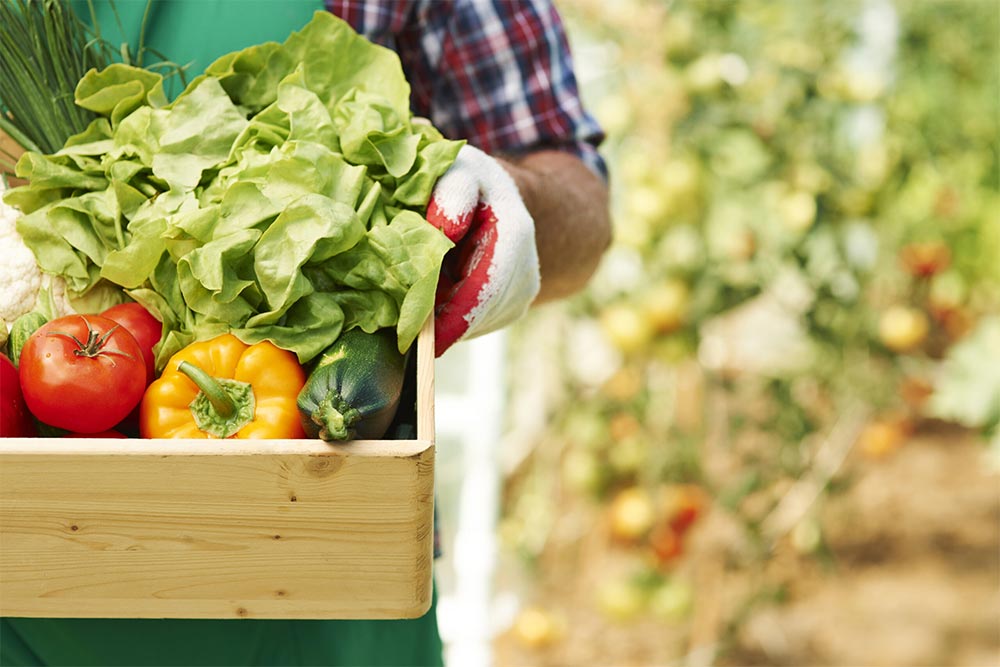
For many growers, crops such as leafy vegetables, herbs, chillies, and tomatoes can be practical choices for smaller spaces.
Growing in a city does not change what plants need. Roots still require water, oxygen, nutrients, and enough space to develop. Container plants can dry out quickly, while excessive watering can create poor root conditions.
Nutrition is equally important. Since plants grown in containers have access to a limited amount of growing medium, nutrients may need to be managed more carefully. This is where Kaylix can become part of a broader crop nutrition approach, helping growers think about how plants receive and use nutrients rather than simply adding more fertilizer.
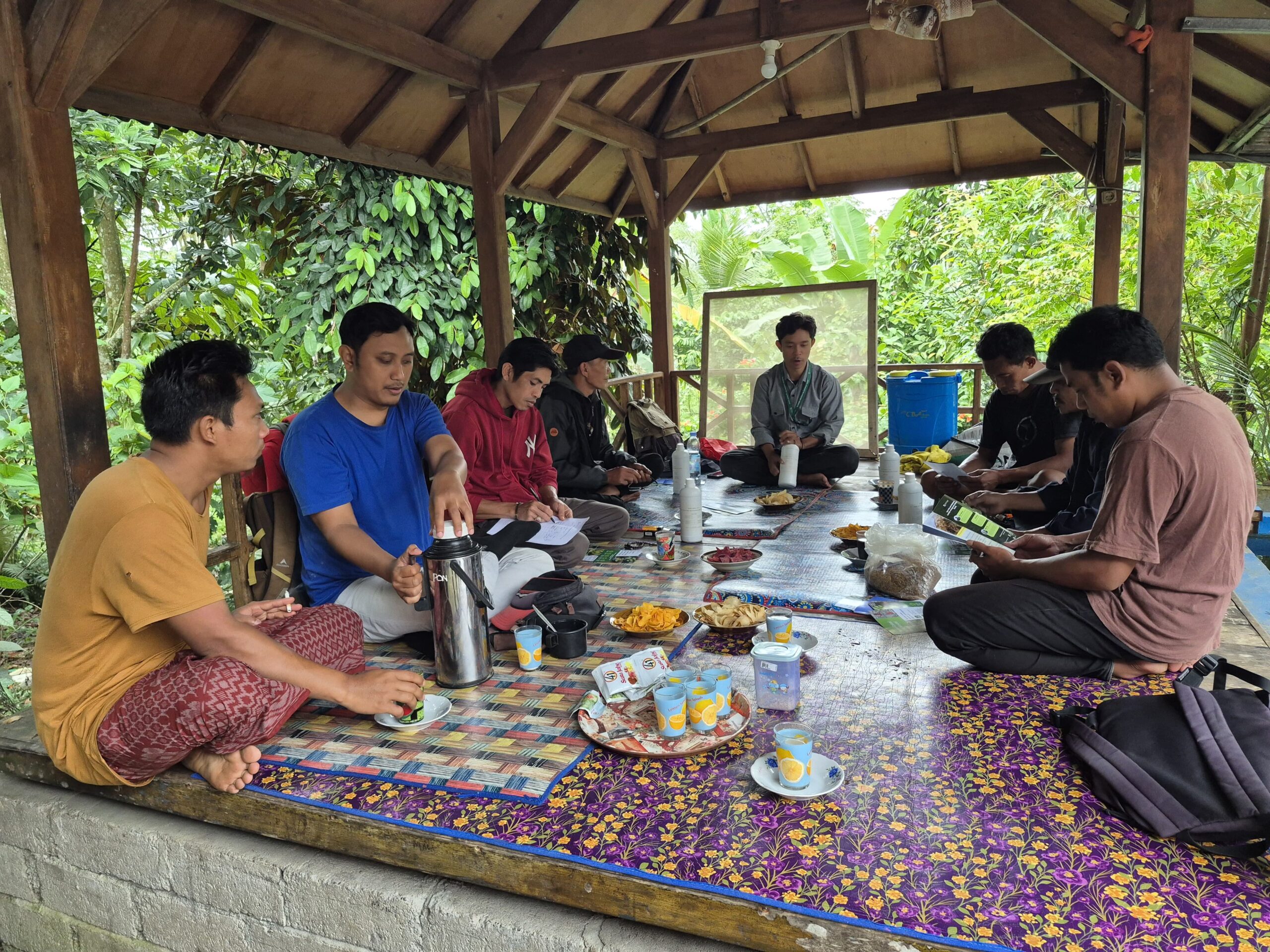
Urban farming also helps people reconnect with agriculture. Growing even a few plants can reveal how much soil, water, sunlight, nutrients, and care influence the final harvest. Community gardens can take this further by creating spaces where people share knowledge and resources.
Of course, urban farming has limitations. Space, water, heat, and growing costs can all become challenges. It is unlikely to replace large scale agriculture, but it can complement the wider food system.
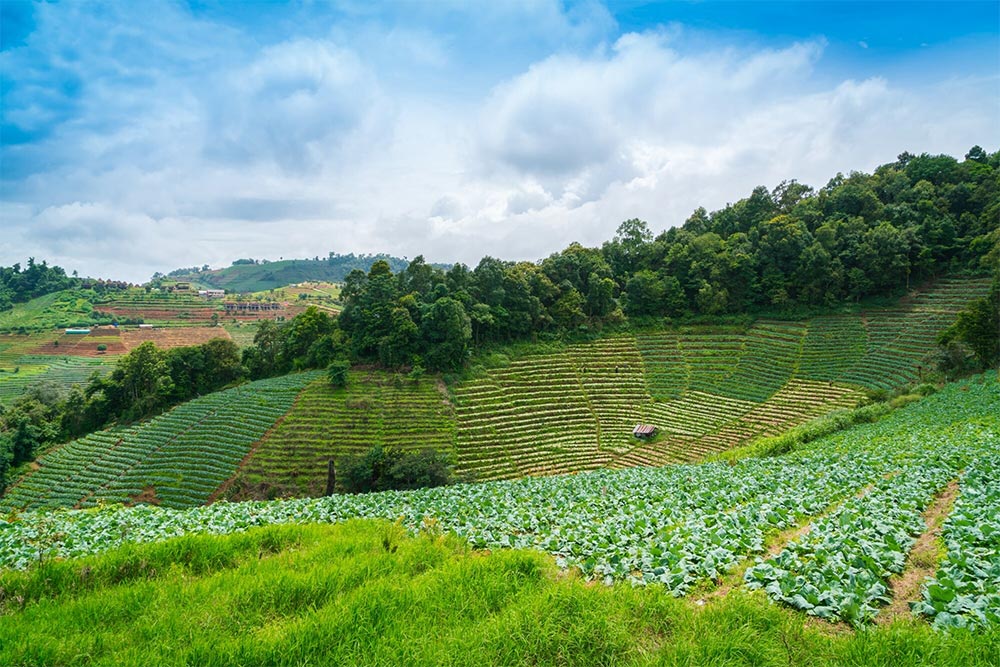
Urban farming shows that agriculture does not always need large fields. Whether it is a rooftop garden or a commercial farm, the fundamentals remain the same: healthy soil, appropriate nutrition, good water management, and understanding what plants need.
And wherever crops are being grown, Kaylix can be part of a smarter approach to plant nutrition.
Need help or solely want to consult? Contact us through WhatsApp at +62 856 5585 6045