Your tomato plants get watered and fertilized regularly, yet they still wilt and refuse to fruit? The solution isn't more fertilizer, your tomato plants may actually be dealing with a disease or pest infestation. Here's a rundown of the most common ones and how to deal with them.
Common Tomato Pests and Diseases
Bacterial Wilt
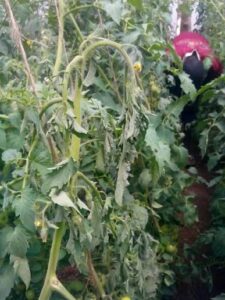
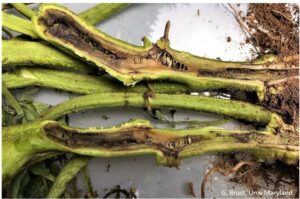
This disease is caused by the bacterium Ralstonia solanacearum, which disrupts a plant's ability to absorb water. Affected tomato plants typically wilt suddenly during the day but appear to recover by nighttime. Roots and the base of the stem turn brownish as they rot. Without intervention, the plant usually dies within a week.
Yellow Leaf Curl Virus
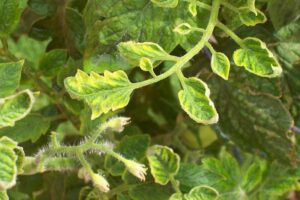
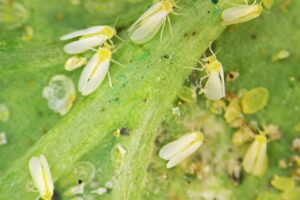
Caused by a Gemini-virus and spread by white flies, this disease doesn't stop at tomatoes, it can also affect chili peppers and eggplant. Infected plants become stunted, young leaves turn yellow, curl, and thicken, and flowers drop more easily than usual.
Leaf Blight
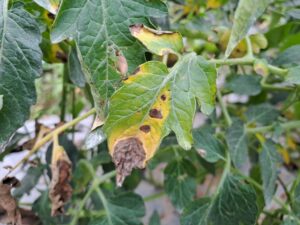
Leaf blight tends to show up during the rainy season, when conditions are humid and cool. Affected plants typically show grayish-green, water-soaked patches on the leaves, a white powdery layer on the underside of leaves, stems that turn dark brown and become brittle, and brown to gray spots appearing on the fruit.
Fruit Fly
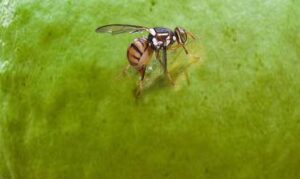
One of the most damaging pests for tomato crops. It's not the adult fly that causes the harm, it's the larvae. Symptoms include dark marks or puncture wounds on the fruit's skin, fruit dropping prematurely, and affected fruit turning soft and rotting as it grows.
Eco-Friendly Ways to Manage Them
Biological Control Agents
Applying microbial biological control agents can suppress pests and disease, particularly soil-borne fungal pathogens. Common biological control agents contain fungi like Trichoderma spp. and Gliocladium spp., or bacteria like Bacillus subtilis and Pseudomonas fluorescens. Beyond protecting plants from these microbial threats, they also improve soil health and fertility.
Crop Rotation
Avoid planting tomatoes in the same spot repeatedly with other crops from the same family, such as chili, eggplant, and potatoes. Planting tomatoes right after (or before) these crops allows pests and disease to persist in your garden. Instead, consider rotating in legumes (soybeans, mung beans, peanuts) or leafy vegetables (lettuce, bok hoy, mustard greens).
Companion Planting
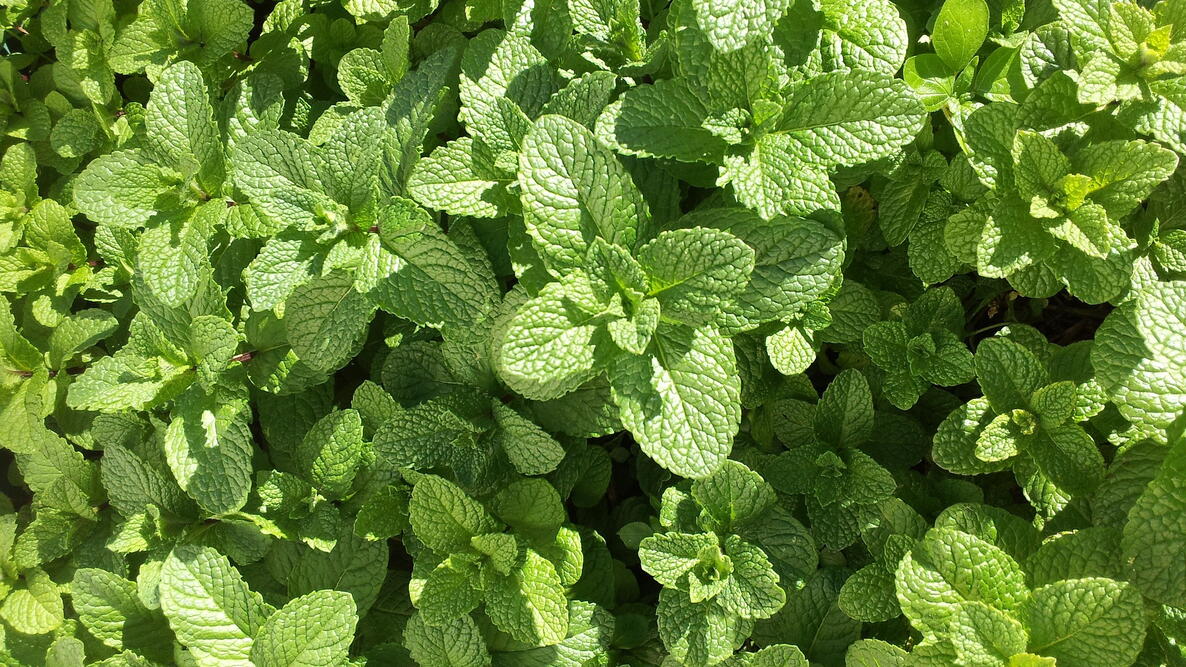
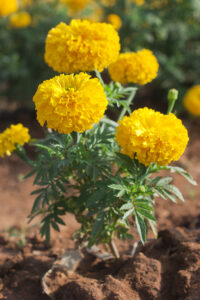
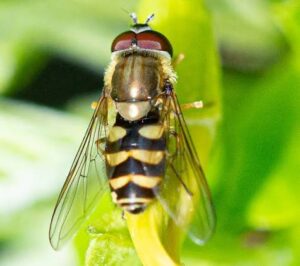
Planting companion flowers or aromatic herbs, like marigolds, roses, basil, or lemongrass, can help repel pests. These plants carry scents that pests tend to avoid, and they also attract natural predator insects like hoverflies, ladybugs, and parasitic wasps, which feed on common pests like aphids, white flies, and caterpillars.
Plant-Based Fungicides and Pesticides
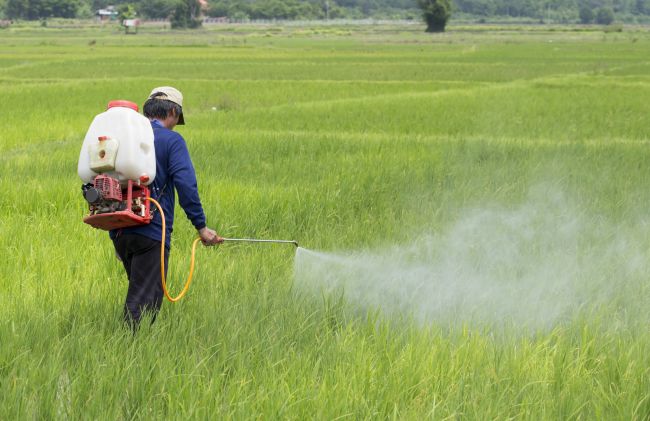
You can make your own natural fungicide or pesticide from plant extracts, shallots, turmeric, ginger, or tobacco. Blend the plant material into a fine mixture, combine it with a spoonful of baking soda or liquid soap, and add 1 liter of water. Spray in the early morning before 8am or in the late afternoon after 4pm, covering the entire plant.
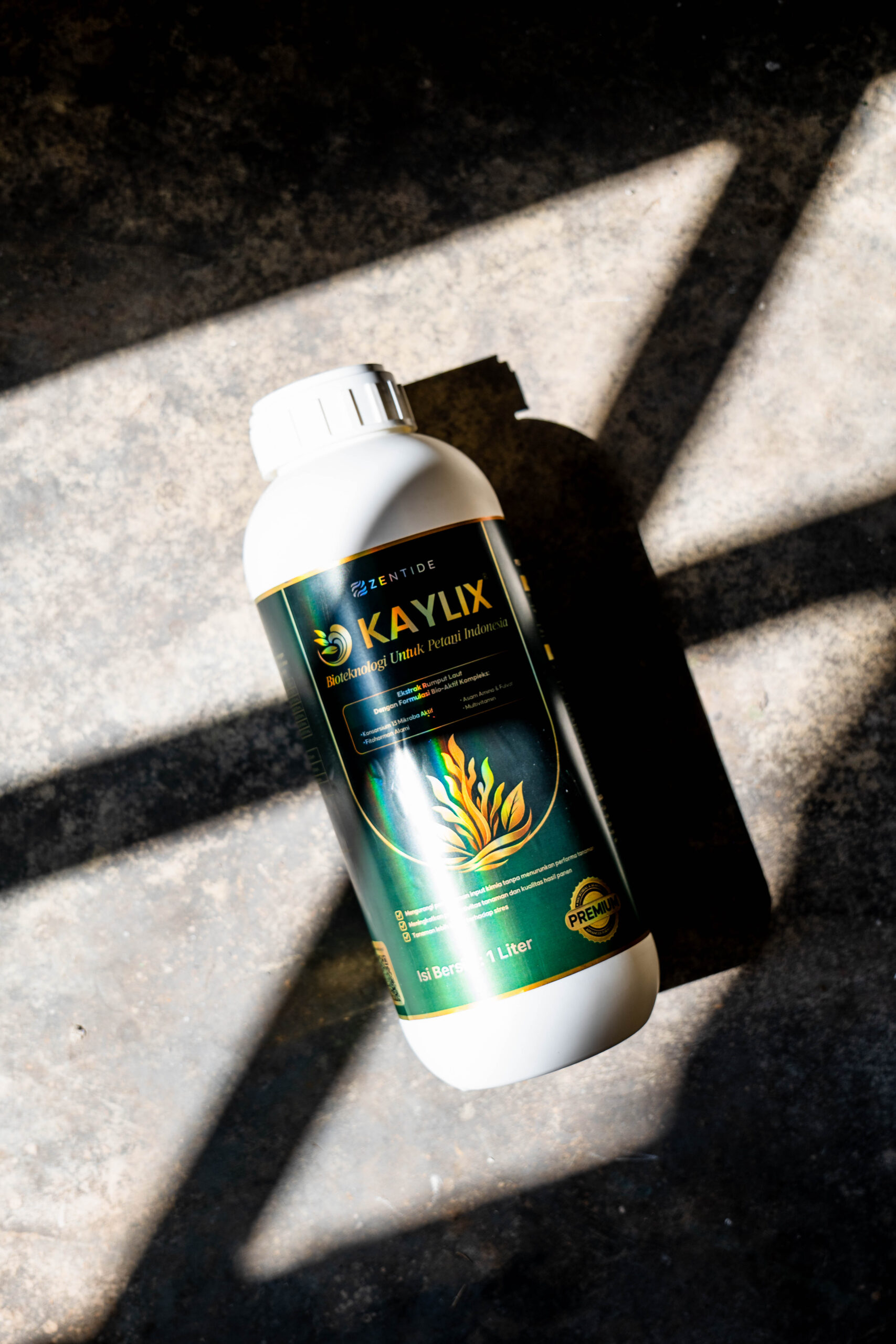
One efficient way to put these biological agents to work is through Kaylix. This tropical seaweed-based biostimulant from Zentide is enriched with 14 beneficial microorganisms, including Bacillus and Trichoderma. This combination effectively suppresses soil-borne pathogens and helps restore fertility to tomato growing soil. Beyond boosting resistance against threats, Kaylix also strengthens root systems and maximizes nutrient uptake, leading to a more abundant fruit harvest.
Give your tomato garden the care it actually needs, balanced nutrition, not just more fertilizer.